Short Note / Jul 30, 2026
Lue Elizondo says the UAP NDA waiver still does not let him speak publicly
Luis Elizondo says the new UAP NDA waiver permits talks with AARO or PURSUE, not a public account. The presidential directive itself has still not been released.
Luis Elizondo says he has made a permanent move to the Washington, D.C. area. On July 29, while moving the last of his belongings in a pickup and trailer, he recorded a video to clear up what he called a growing misconception: that a White House move on UAP secrecy agreements had suddenly freed him to say whatever he knows.
It has not, he said. Elizondo described the reported NDA waiver as a route for former personnel to speak to two government bodies — the Pentagon's All-domain Anomaly Resolution Office, or AARO, and PURSUE, the Presidential Unsealing and Reporting System for UAP Encounters. He said his own secrecy oath still prevents him from speaking openly to the public.
That is a useful distinction because the directive itself has not been published. The White House action was reported on July 21 as a waiver for former officials and contractors who bring UAP information through approved government channels. Administration officials told Fox News it was not a declassification order.
What the directive may change
There is an important older layer to this. The FY2023 National Defense Authorization Act already required a secure reporting route for UAP information that had previously been blocked by non-disclosure agreements. AARO says authorized reporting to the office is protected from reprisal under that law.
That means the reported White House directive should not be described as creating the first possible route to AARO. It may make the channel more explicit for former personnel and contractors, or remove a perceived barrier to using it. Without a public copy of the directive, however, its precise legal change cannot yet be compared with the reporting protections already on the books.
Two rooms, not a public microphone
Elizondo put it more bluntly. The new arrangement, he said, relieves people of relevant NDAs for a conversation with AARO or PURSUE. It does not let them hold a press conference, publish classified details, or answer every public question about their work.
“It has not alleviated my ability to speak to the general public,” Elizondo said. “I am still held by my secrecy oath.”
He said he had spoken with AARO several times in the past and was not impressed with the result. He also said he may already be in contact with people connected to PURSUE, directly or indirectly. Neither statement identifies a meeting, a document, or information delivered through the new process.
For now, the practical change is narrow: a person who believes a prior agreement kept them silent has a sanctioned place to take information. What happens after that is still an executive-branch review. Whether anything reaches Congress or the public depends on classification decisions that the directive did not remove.
Elizondo's answer to a NewsNation dispute
The second half of the video is a response to a recent Reality Check dispute carried by NewsNation. It follows Ross Coulthart's June 28 claim that Elizondo had worked inside an alleged legacy crash-retrieval and reverse-engineering program. Coulthart later said Elizondo had not publicly confirmed that role, but had not specifically denied it either. Elizondo did not name the guest he was addressing in the July 29 video.
He rejected two further claims he said had circulated in that argument: that AATIP was a “limited hangout,” and that he and former Director of National Intelligence James Clapper had worked together on a managed or “soft” disclosure plan.
He called the latter accusation “1,000%” false and said no such conversation had taken place. On AATIP, he argued that the program's Senate backing and taxpayer funding under Harry Reid do not fit the allegation. Those are Elizondo's rebuttals, not documents that settle the wider argument. The video does not include the disputed interview, the underlying evidence for its claims, or records of Elizondo's conversations with Clapper.
He did make one direct appeal to Ross Coulthart: use more care with guests whose claims are placed before a NewsNation audience. The point lands awkwardly because it comes from a participant in the same long-running disclosure argument. But it puts a current disagreement on the record: who gets to describe the limits of the new waiver, and who gets to say what the government has actually authorized.
What this changes in the NDA story
The new video does not add a public copy of the directive. It does offer the first detailed account from a prominent former UAP official of how he believes it works in practice. His version matches the narrow channel described in the initial reporting: AARO and PURSUE may hear witnesses; the public is not the destination yet.
That leaves the central test unchanged. A waiver is meaningful only if witnesses use it, investigators can check what they bring forward, and something survives the review process in a form the public can inspect.
Sources
- Luis Elizondo, “Lue Elizondo setting the record straight 7/29/26”, YouTube, July 29, 2026. Full video and transcript reviewed.
- Fox News Digital, “Long-hidden UFO information at center of Trump push to free former officials”, July 21, 2026. The report quotes administration officials on the waiver's authorized channels and limits.
- All-domain Anomaly Resolution Office, UAP Program Report User Guide, December 2023. It describes AARO's statutory reporting channel and anti-reprisal protection.
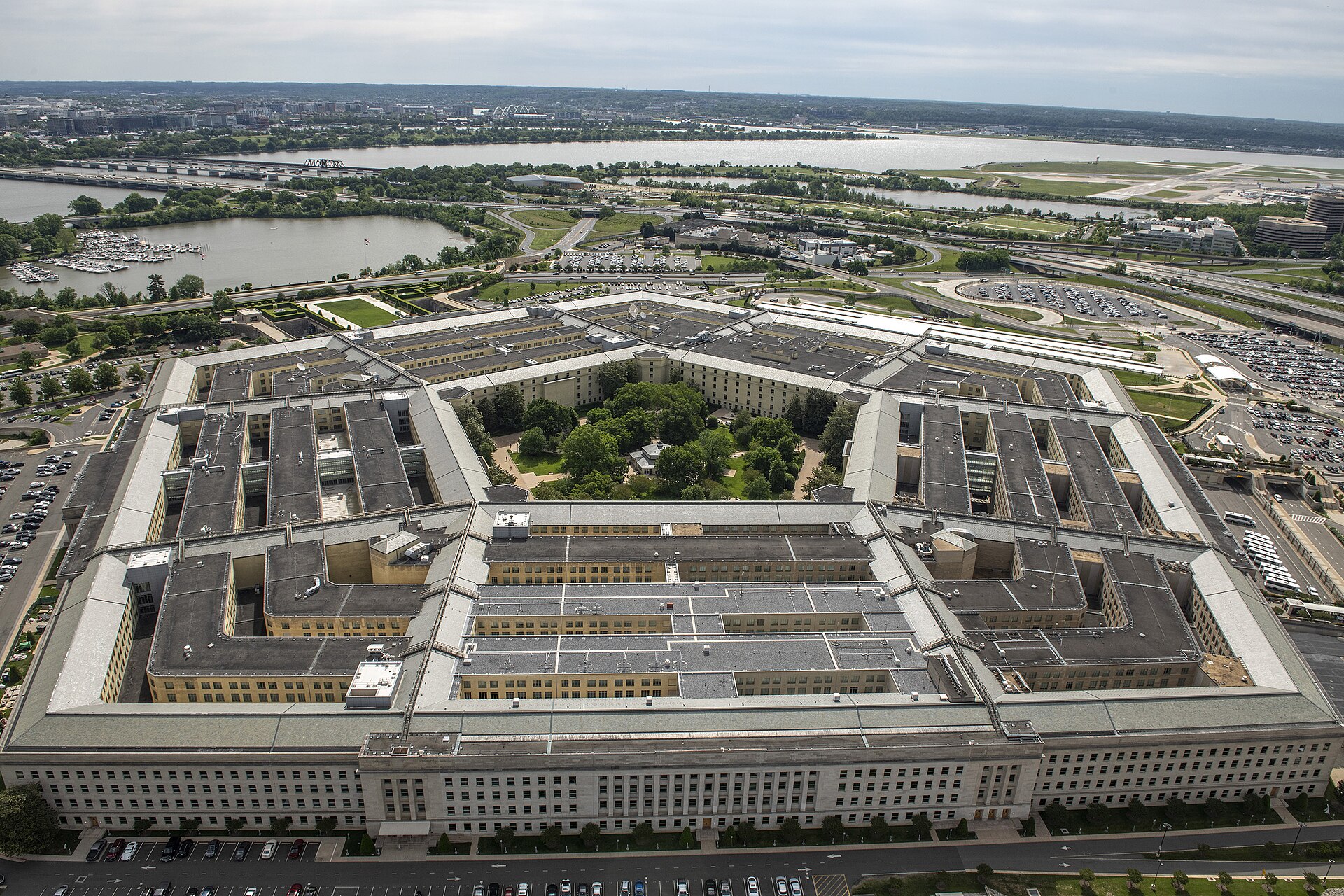
- Department of Defense, “Aerial Closeup of the Pentagon, May 11, 2021”, photograph by U.S. Air Force Staff Sgt. Brittany A. Chase, public domain.