Short Note / Jul 11, 2026
DOW-UAP-PR113: one three-second pass, then repeats and a freeze-frame
The 2:57 DOW-UAP-PR113 file is not 2:57 of distinct 1996 footage. AARO says one contrast area crosses the frame from 00:14 to 00:17; the rest repeats that passage at two speeds or holds a frame from it.
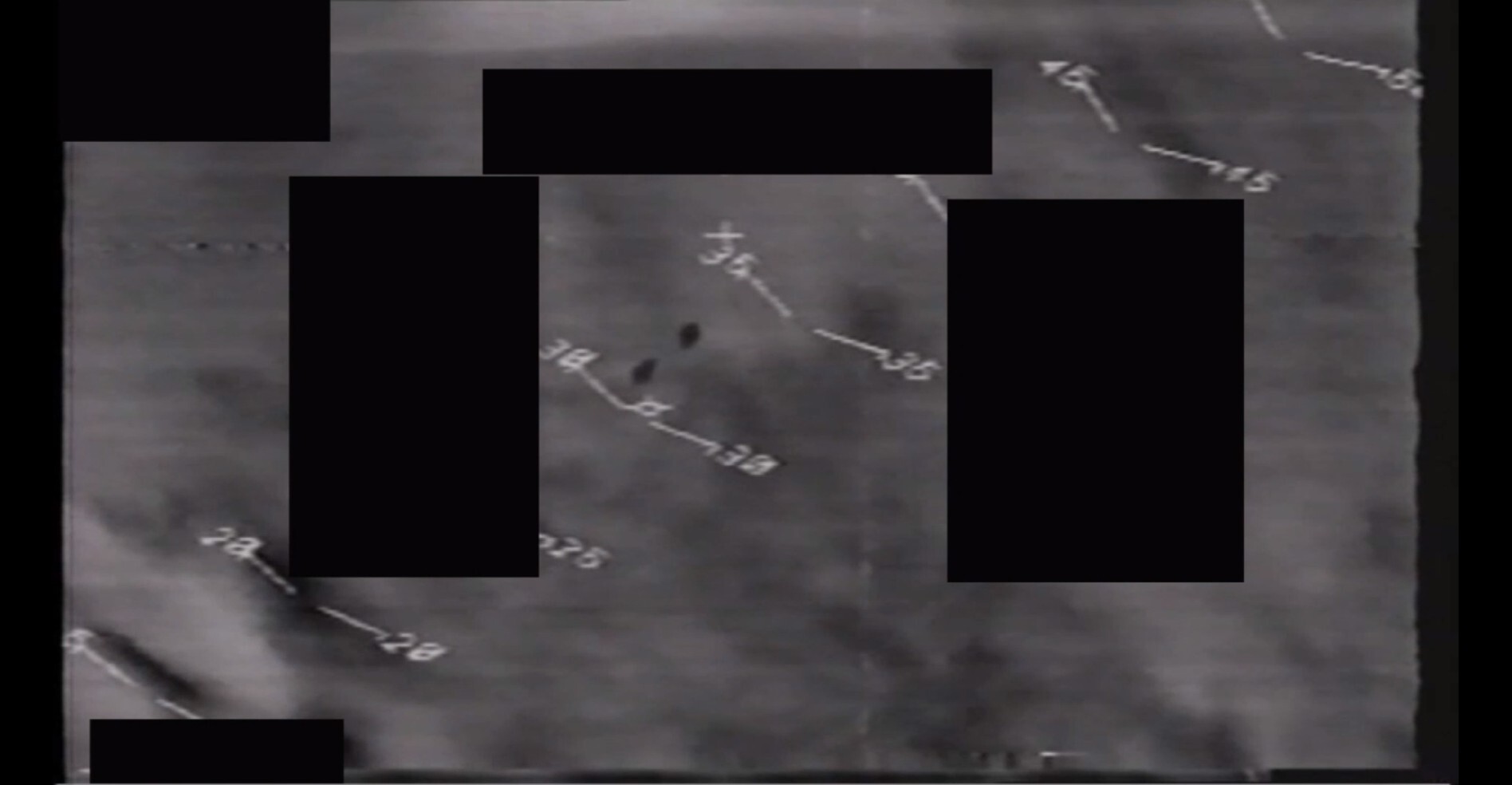
DOW-UAP-PR113 is a 1996 Western United States UAP record in PURSUE Release 04. Its download runs for two minutes and 57 seconds. The official description says only three seconds contain a new transit across the sensor field of view.
According to the Department of War’s record detail, the likely infrared video was transferred from the Navy UAP Task Force to AARO in 2022. The entry says the media had been digitally altered before it was reported to the task force. It is presented in the public release as received.
The timeline of the public file
AARO’s time-coded description is unusually specific:
- 00:01–00:13: No content.
- 00:14–00:17: An area of contrast enters near the upper-right corner, crosses the field of view, and exits near the lower left.
- 00:18–01:21: The footage repeats frame by frame.
- 01:22–02:13: The same footage repeats at a slower playback speed.
- 02:14–02:56: The video holds on a frame extracted from the first 17 seconds.
So the public file contains one short crossing, a replay at two speeds, and a freeze-frame — not nearly three minutes of separate sensor activity. The Department of War says the description is informational only and is not an analytical conclusion about the event’s validity, nature, or significance.
The altered source file
The date in the record is 1996. That does not mean the released file is an untouched 1996 capture. AARO says no formal data-handling practices existed when the media was reported to the UAP Task Force. The release does not identify who altered it, when that happened, or what changes were made.
Those missing details limit what can be concluded from the visible contrast, the display elements, or apparent motion in the public clip. The repeated sections are not additional observations. Without the original file and a documented chain of custody, the material cannot establish an object’s speed, shape, range, or sensor behaviour.
What alteration leaves unknown
An altered file can still preserve useful evidence. But alteration creates questions that cannot be answered from the released copy alone: whether frames were removed, whether timing changed, whether overlays were added, whether compression or editing affected the image, and whether the file remains complete. The release also says redactions protect eyewitness identities, facility locations, or sensitive military-site information; it says none were made to conceal material about the nature or existence of a reported UAP encounter.
The record labels PR113 unresolved. AARO’s description does not identify the contrast area or make a finding about the video’s underlying event.
The missing record
The missing record is the original source file, a chain-of-custody note, or a technical account of the alteration. The public release begins after the file had already been changed.