News / Jun 04, 2026
Steven Spielberg says Disclosure Day is not science fiction
Steven Spielberg told AP that Disclosure Day is his first alien film he doesn't consider science fiction. The quote lands while UFO files, UAP hearings, David Grusch, and government disclosure are already moving through the same search stream.
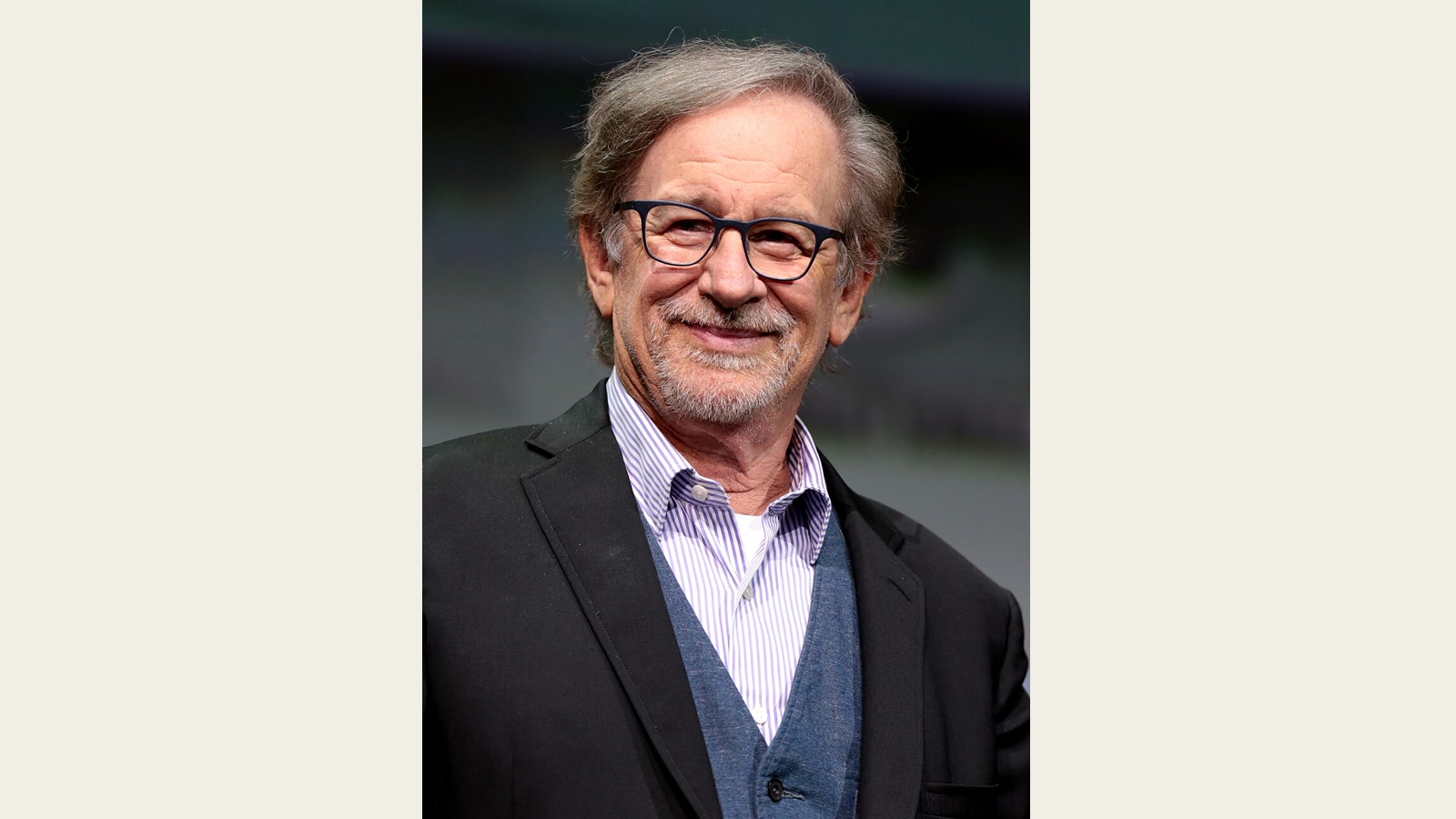
Steven Spielberg has told the Associated Press that his new film Disclosure Day is the first alien movie of his that he doesn't consider science fiction.
The interview was published June 3 and runs alongside a Universal release opening in the U.S. on June 12. The cast includes Emily Blunt, Josh O'Connor, Colman Domingo, Colin Firth, and Eve Hewson. AP framed the piece around Spielberg's faith in alien life and his return to the question that has run through his work since Close Encounters of the Third Kind: are we alone?
What he said
Spielberg told AP that this is the first film of his people will call science fiction, but he doesn't consider it that. He added that he has followed alleged alien-encounter reports for years, and that the 2023 House UAP hearing, featuring whistleblower David Grusch among its witnesses, helped push Disclosure Day into shape. He also said his own position has shifted since Close Encounters: the circumstantial evidence, he told AP, is now overwhelming.
The line will travel. It's clean, it's famous-person simple, and it doesn't need a file release, a hearing transcript, or a document number to move.
What the film is selling
The film is built for the moment. AP describes O'Connor's character as a cybersecurity whistleblower holding suppressed government evidence of alien encounters, Domingo as a leader of a disclosure movement, Blunt as a meteorologist pulled into something larger, and Firth as part of a system trying to keep the information buried. A whistleblower, hidden evidence, a movement, a cover-up: that's the shape of the movie.
The film gives the UFO internet a clean fantasy version of what the public records process almost never gives it: one person with the evidence, one chase, one reveal, one date.
The records version
The real UAP year has been less cinematic. PURSUE Release 01 arrived on May 8, Release 02 on May 22. The public got old PDFs, short clips, DVIDS pages, case labels, redactions, military descriptions, ODNI narratives, and arguments over whether the file titles were doing more work than the files. Some of it was interesting. Some of it was thin. None of it behaved like a trailer.
Disclosure Day walks into that gap. The phrase sounds like the thing people have been waiting for. The public record, so far, has looked more like a folder that keeps opening into other folders.
Why this interview is different
Until now the film was useful as a pressure gauge: a major alien movie arriving while the public searched for UFO files. The AP interview hardens the connection. Spielberg isn't only returning to UFO cinema. He's saying the old category no longer fits. The Grusch name is now inside the mainstream profile, not just on UFO forums and trailer threads.
The timing
Disclosure Day opens June 12. Three days earlier, on June 9, Grusch and members of Congress are expected at a Capitol press event calling for more UAP transparency. A film about a suppressed alien truth and a real disclosure push landing in the same week is the kind of overlap that doesn't need to be explained.
The film gets the clean title. The records side gets the harder job.
Sources
- Associated Press: Steven Spielberg on his faith in alien life, the future of the movies and the power of empathy, published June 3, 2026.
- Associated Press: Steven Spielberg: "Disclosure Day" isn't science fiction, published June 3, 2026.
- Associated Press: "Disclosure Day" answers questions from "Close Encounters of the Third Kind," Josh O'Connor says, published April 29, 2026.
- Amblin: Disclosure Day official movie page.