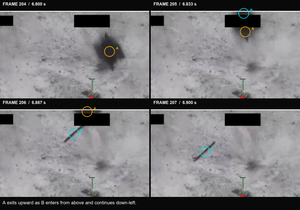
News / May 23, 2026
The Syrian "instant acceleration" UAP video is messier than the label
PURSUE Release 02 includes DOW-UAP-PR051, a video labeled "Syrian UAP instant acceleration." The label is strong. The public record is more careful: AARO describes an altered examination video and a key moment where sensor tracking stops while an area of contrast exits the frame.
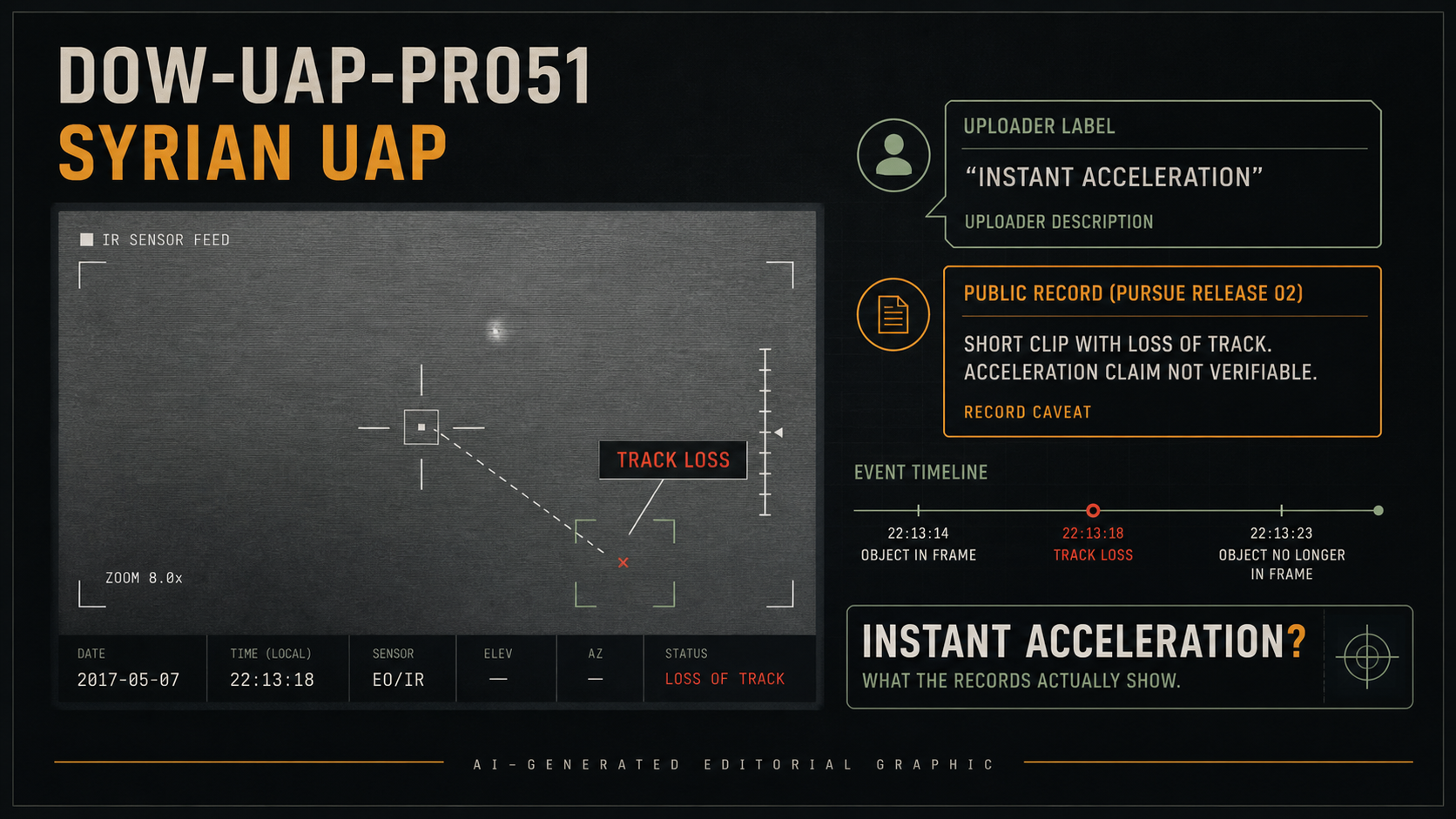
The short version
PURSUE Release 02 includes a Department of War video record titled DOW-UAP-PR051, "Syrian UAP instant acceleration."
That is the clickable part. The useful part is stranger.
AARO says the media was digitally altered before upload to a classified network and is being presented as received. It also describes the dramatic moment not as confirmed impossible acceleration, but as a sensor track-loss event: the sensor stops tracking an area of contrast, which then rapidly exits the frame.
So the video matters. But the phrase "instant acceleration" should stay in quotation marks.
What was released
The record is part of the May 22, 2026 PURSUE Release 02 video batch.
According to the PURSUE database, AARO assesses that the video is likely derived from an infrared sensor aboard a U.S. military platform operating in the U.S. Central Command area of responsibility in 2021. The database says a user uploaded it to a classified network in June 2024.
The public record lists the incident location as CENTCOM, the incident date as 2021, and the video duration as 5:02. It preserves the uploader-defined title: "Syrian UAP instant acceleration."
That is enough to make it interesting. It is not enough to make the label true.
What the video contains
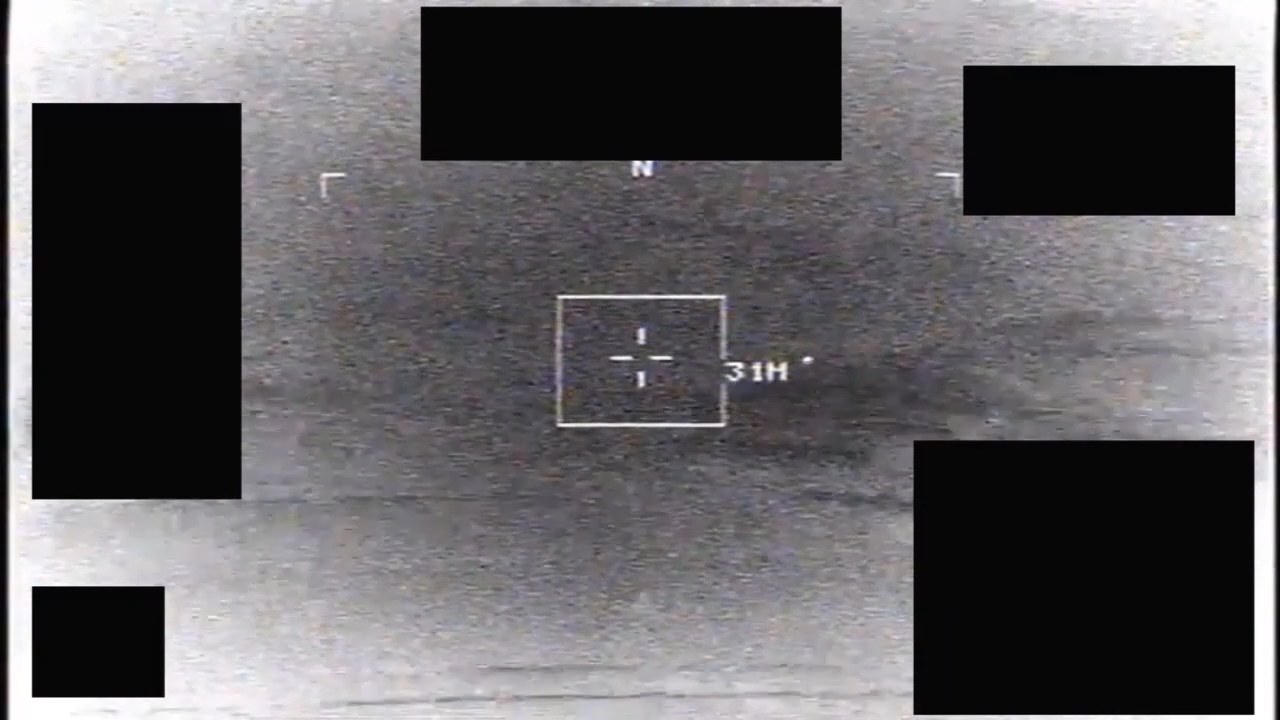
The released video is an examination-style file, not a clean one-shot raw sensor clip.
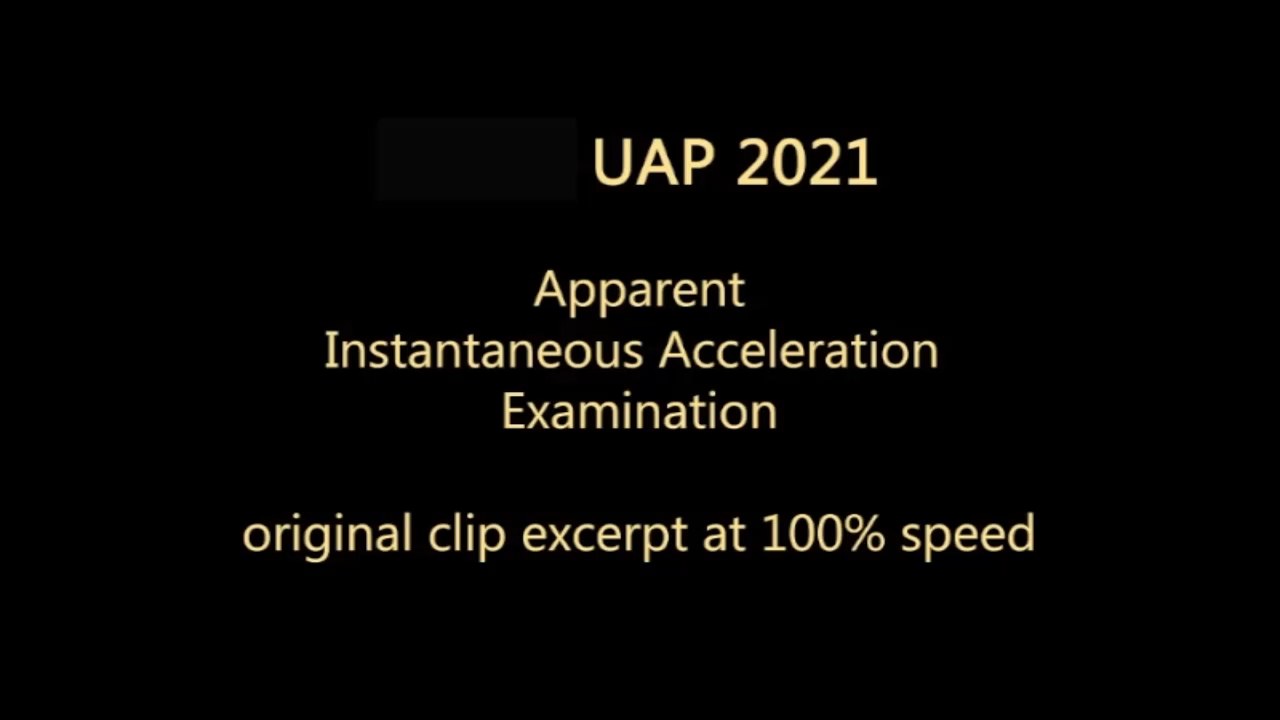
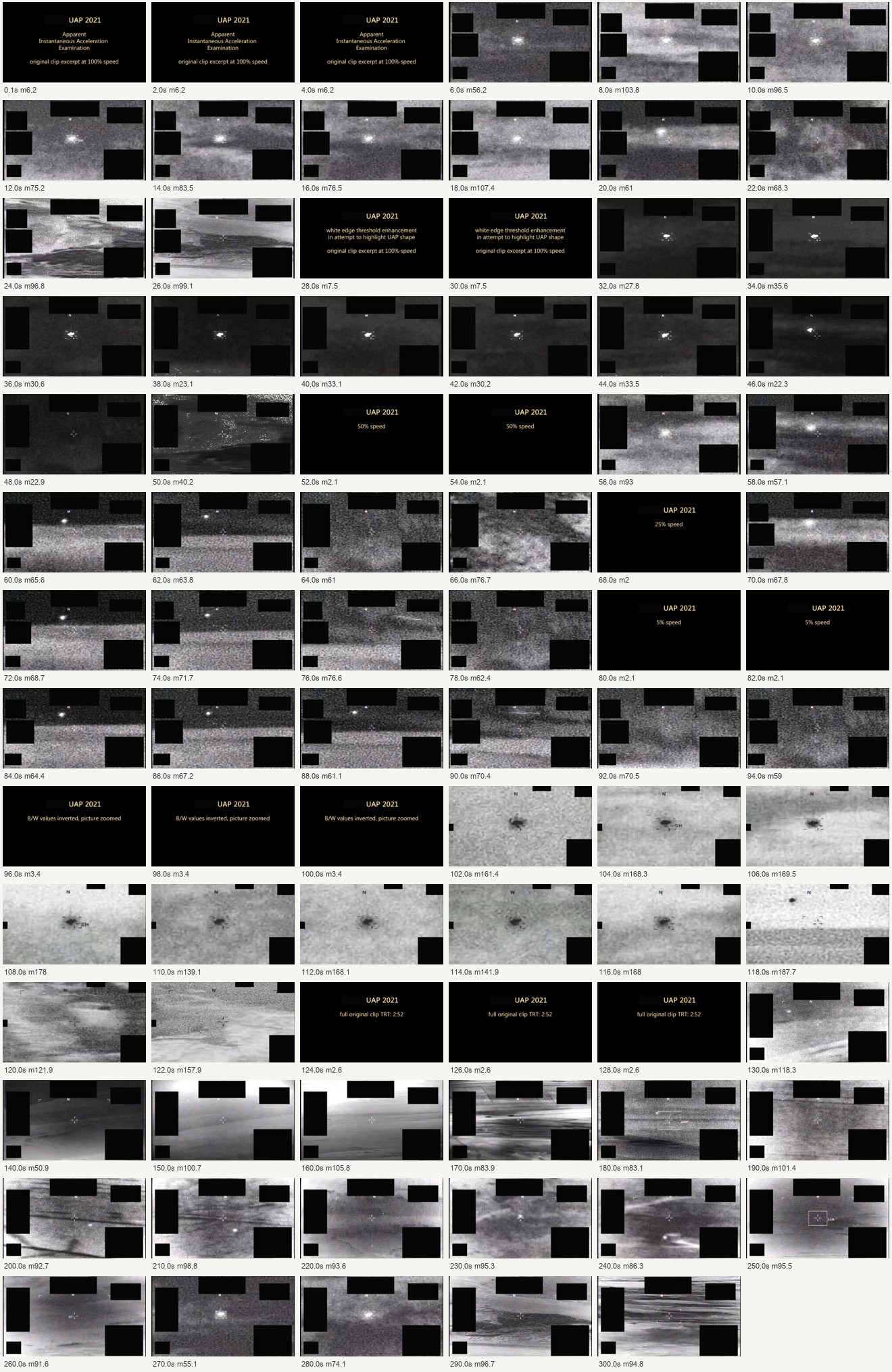
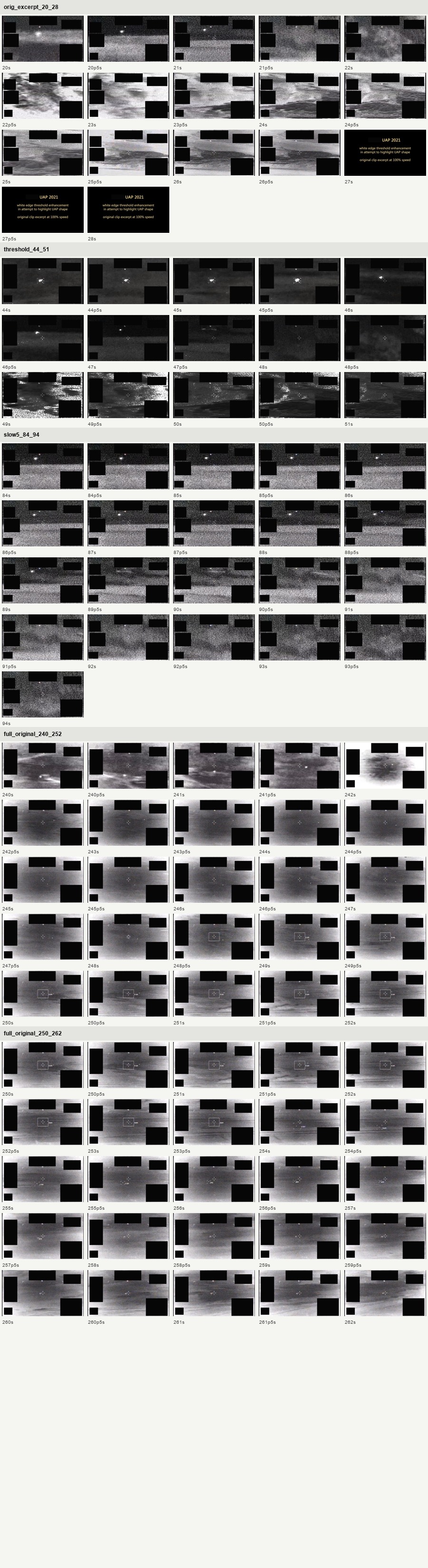
It contains an original-speed excerpt, title cards, threshold enhancement, slow-motion replays, inverted and zoomed footage, and then a longer original-resolution section. The title card inside the video uses the phrase "Apparent Instantaneous Acceleration Examination".
The word "apparent" matters.
AARO's own segment description says:
- 00:01-00:19: the sensor pans to keep an area of contrast near the center of the frame;
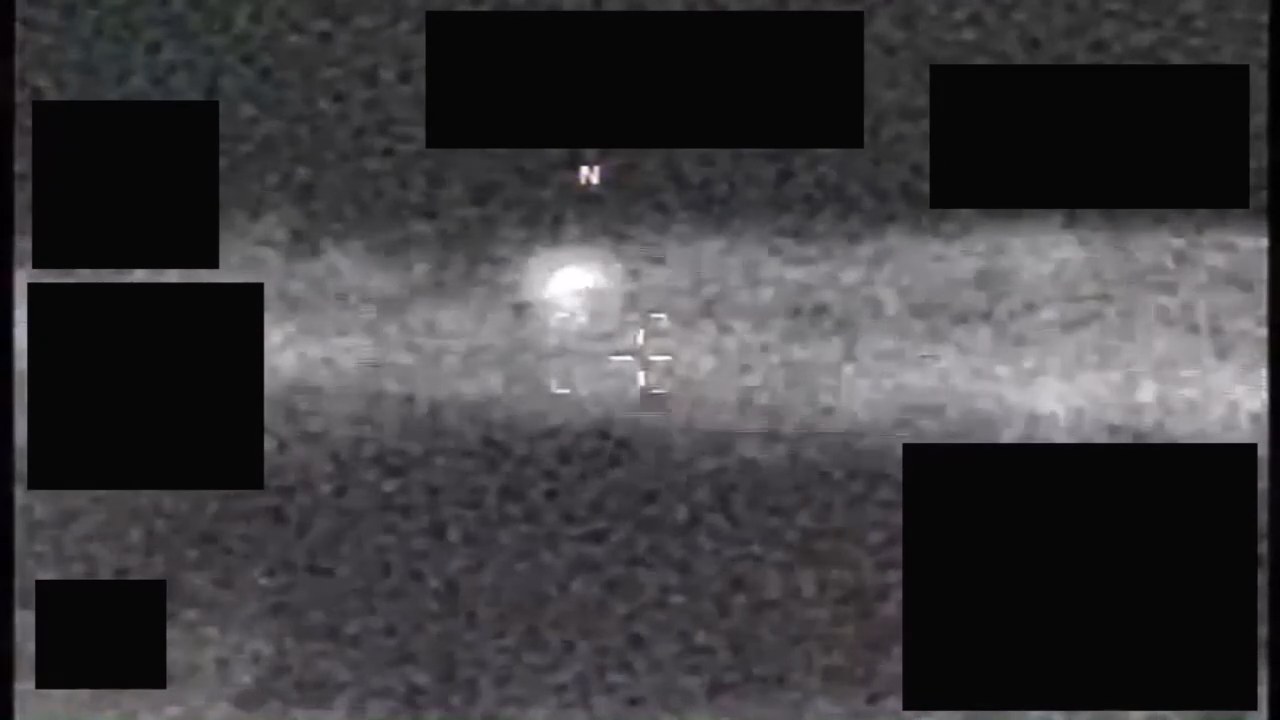
- 00:20-00:21: the sensor stops tracking the area of contrast, causing it to rapidly exit right;
- 00:30-02:03: the clip is replayed with digital alterations, slower speeds, inversion, and zoom;
- 02:10-04:28: additional original-resolution footage appears, including far zoom, rapid zoom changes, and a reticle lock;
- 04:29-05:01: the video replays the track-loss moment.
What is documented
The public release documents a small area of contrast in infrared-style footage. It documents that the sensor was panning, that tracking stopped at the dramatic moment, and that the released media includes digital alterations and replays.
It also documents something editorially important: AARO is not asking viewers to treat the description as a conclusion. The record says the description is informational only and should not be read as an analytical judgment, investigative conclusion, or factual determination about the event's validity, nature, or significance.
That is not a boring caveat. It is the central fact of the release.
What is interpretation
"Instant acceleration" is interpretation.
The object or area of contrast appears to leave the frame very quickly. But the released description ties that moment to sensor tracking stopping. Without the original source data, platform motion, sensor state, range, stabilization data, and target-lock status, the public video cannot by itself establish extreme acceleration.
This does not make the case fake. It makes it unfinished.
The main alternative explanation
Mick West started a Metabunk thread on this clip in February 2026, before the May PURSUE release made the record public through war.gov.
His working interpretation is that the dramatic motion may be consistent with a small slow object, possibly a wind-blown mylar balloon, combined with parallax, tracking loss, local contrast or gain changes, and sensor/camera motion.
That explanation is not proven by the public release either. But it is a serious alternative because it tries to use the on-screen data and sensor behavior instead of only reacting to the apparent motion.
The useful question is not "Is this aliens or debunked?" The useful question is narrower: does the sensor and coordinate data support actual object acceleration, or can the apparent motion be produced by tracking loss and imaging geometry?
What would decide this
The public needs the boring stuff.
- the original, unaltered sensor file;
- platform position and motion through the event;
- sensor mode, zoom state, stabilization state, and tracking state;
- range or enough geometry to constrain range;
- frame-by-frame line-of-sight data;
- an explanation of what digital alterations were already present before upload.
Without that, the phrase "instant acceleration" should stay in quotation marks.
Why it matters anyway
This is still one of the more important Release 02 videos because it connects three things: a public congressional request, a classified-network upload, and a government release that preserves the uploader's dramatic label while adding careful AARO caveats.
That is exactly the kind of case where the label can outrun the evidence.
The clean read is this: the Syrian video is worth examining, but the release does not prove instantaneous acceleration. It proves that a video with that uploader-defined title existed in the government collection, that AARO judged it likely to come from an infrared sensor on a U.S. military platform in CENTCOM in 2021, and that the public copy is an altered examination product presented as received.
Interesting, yes. Settled, no.
Sources
- PURSUE record: DOW-UAP-PR051, "Syrian UAP instant acceleration", accessed May 22, 2026.
- Department of War: second PURSUE UAP file release announcement, published May 22, 2026.
- Metabunk: Syria UAP 2021 - Apparent Instantaneous Acceleration, thread started by Mick West, February 3, 2026.