Short Note / Jun 10, 2026
Ivo Busko found a telescope clue in the pre-Sputnik flashes
A retired NASA developer says some old sky-plate flashes carry the optical signature of the telescope itself. That does not identify the source. It makes the VASCO transient debate harder to wave away as plate dirt.
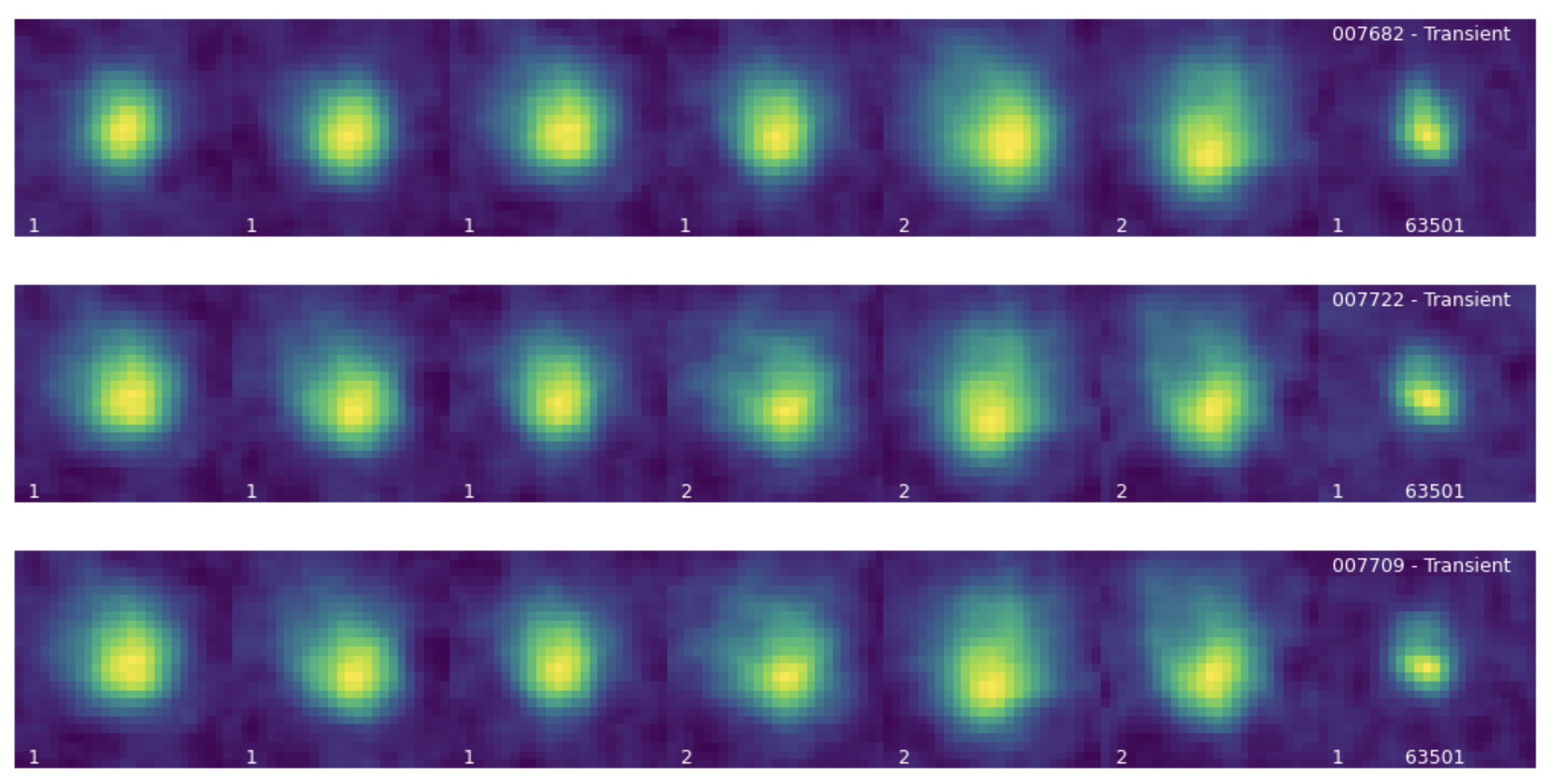
The telescope left a fingerprint
Ivo Busko used a flaw as a tool.
The Hamburger Sternwarte double reflector has a known optical weakness. Stars away from the image center do not appear as clean dots. They drag a small tail, an optical distortion called coma.
A real point of light captured through that telescope should carry the same signature. A scratch on the plate should not. Dust should not. A chemical blemish should not.
So Busko asked a narrow question: do the suspicious light points on these old plates carry the telescope's fingerprint?
In eleven events across more than 500 plates from 1934 to 1957, his answer is cautiously yes.
That sounds modest. In this field, it is not.
VASCO looks for light sources that appear in old sky surveys and later vanish. The main counterargument has always been that old glass plates are unreliable: scratches, emulsion defects, cosmic-ray hits, scanner problems, and decades of handling. That is a fair objection. It has killed many candidates.
Coma makes that objection harder to lean on. Not impossible. Harder.
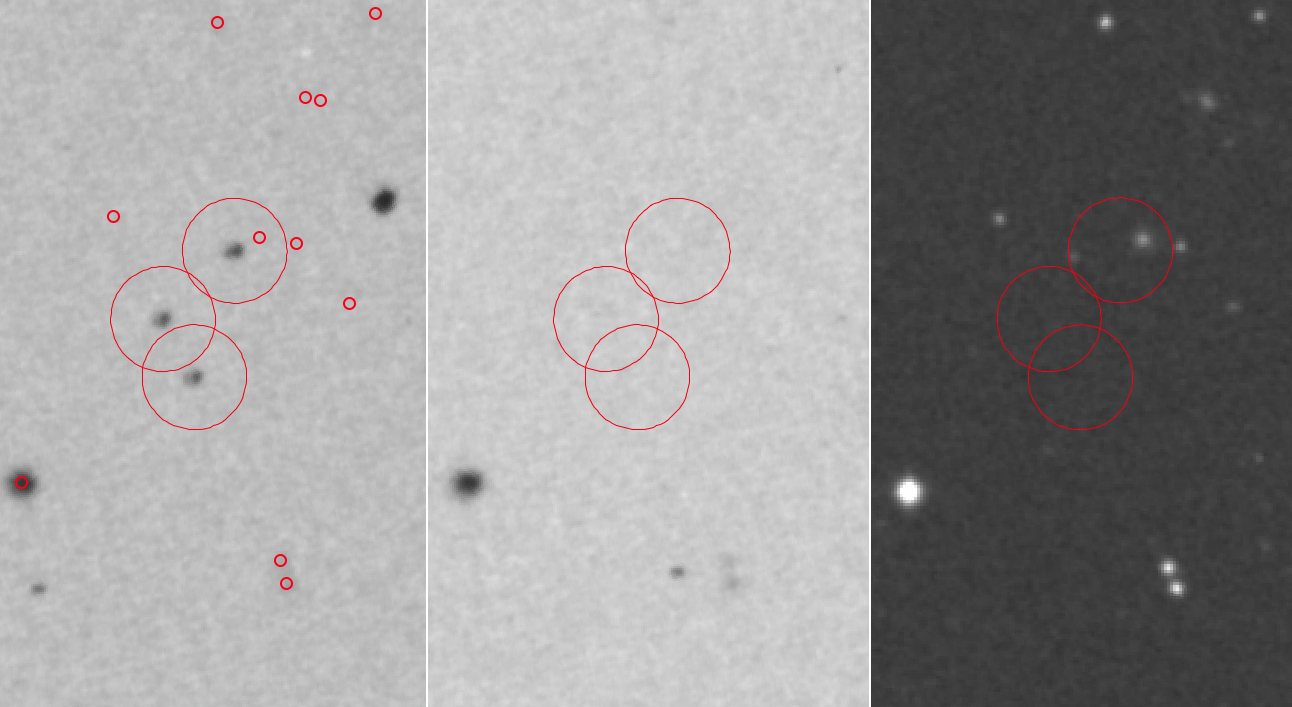
The paper does not identify a source. It does not explain what produced the light. Villarroel called the result "huge news" on X. The paper itself is more restrained. It says the data argue against purely instrumental artifacts.
The nuclear-test line
The nuclear-test timing Busko also flags stays speculative, and he says so. Two events in the sample fall in 1950, a year with no atmospheric nuclear tests anywhere. That does not settle the question. It does show the paper keeping its own claims on a short leash.
What remains is small: a point of light on an old photographic plate, carrying the optical fingerprint of the telescope that recorded it.
The source is not named.
The plate mark is harder to keep on the plate.
Related UAP Logbook notes
- The physics words that keep getting pulled into UFO stories
- The CIA archive where UFOs and psi research share a shelf
- Donald Hoffman and the UFO turn in perception science
- Garry Nolan on CBS: Spielberg's Disclosure Day and the metals nobody can explain
Sources
- Ivo Busko, "Fast Astronomical Transients in Archival Photographic Plates: Using optical aberrations as a tool for discerning real images, from plate artifacts", arXiv:2606.08319, submitted June 6, 2026.
- Beatriz Villarroel's June 2026 X post on the Busko paper and VASCO transients.
- APPLAUSE Archive: Archives of Photographic Plates for Astronomical Use.